
Union Resident Lookup Records
No official system publishes one complete list of Union residents. A sound Union resident lookup uses separate records for separate claims. The Township assessor and county land files can connect a person to a property interest, while the voter service only reports the registration status the live tool provides. Court indexes identify public case metadata, not a current home. Vital offices document an event under strict access rules. State custody and county jail tools are limited status snapshots. Keep the source date beside every result, because a directory entry, a deed, and a case docket may describe very different points in time.
| Record | What It Can Confirm | Official Route | Access |
|---|---|---|---|
| Parcel or land record | Property relationship, block and lot, or recorded conveyance | Union assessor, NJGIN, and Union County Clerk | Public layers and land-index routes have different dates and redactions |
| Voter registration | Registration status when the official tool returns it | NJ “Am I Registered?” service | Exact-name status check, not a resident directory |
| Court docket | Public case metadata and venue | NJ Courts public pathways | Metadata may be public while documents remain restricted |
| Vital record | A qualifying birth, marriage, civil-union, or death event | Union registrar, State Health Department, or Archives | Eligibility, age, relationship, and copy type control access |
| Custody record | Limited custody information on the official result date | NJ DOC or Union County Corrections | Dynamic, status-dependent information with warnings |
Begin with the source that matches the question. A historic family connection may call for the library directories and a qualifying vital request. A public court matter calls for the correct case family and venue. A property question needs block, lot, or deed context. A name match alone does not establish a Union Township connection.
Union Court Lookup Paths
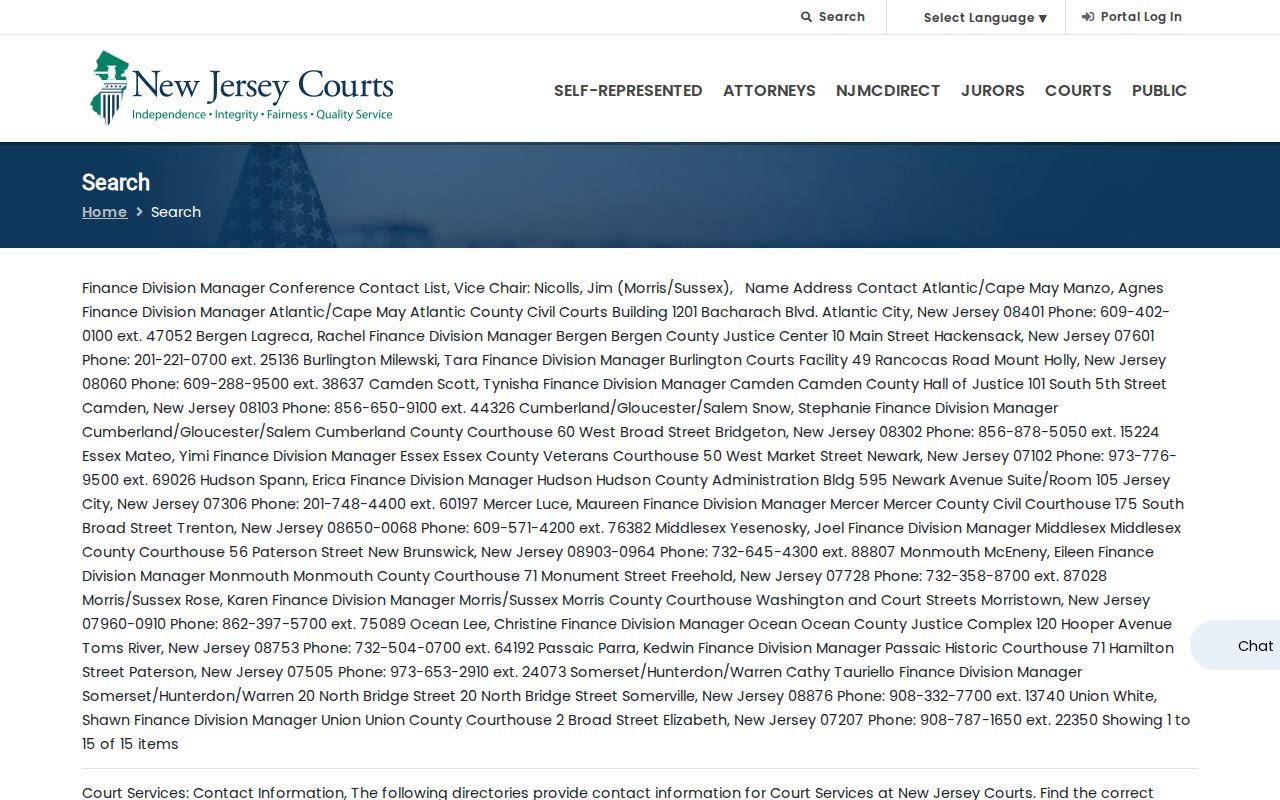
The New Jersey Courts public-search menu separates civil and foreclosure case jackets, criminal matters, judgments and judgment liens, Tax Court, and municipal traffic or parking routes. Choose the case family first. The electronic-access material also distinguishes systems used for criminal, civil, archived, judgment, divorce, and municipal records. Public access can expose litigant names, status, proceedings, motion dispositions, orders, and a filed-document list. It does not promise the full text or image of every item.
The Municipal Court route is different. Union Municipal Court and NJMCDirect are oriented to a complaint, ticket, or court-date path; research did not locate a general public name-only municipal directory. Family material can carry further restrictions. For a document that does not appear online, the court permits inspection and uses a records-request form for closed cases. That form accepts a needed-by date, delivery preference, processing location and division, case name, docket or complaint number, and defendant information when the number is unknown. It can be directed to the proper court or municipal office.
Federal cases sit outside the New Jersey Judiciary system. PACER requires registration and offers the national case locator along with court and name or case searching. The current pricing information states $0.10 per billable page, with a $3 cap for one document or case-specific report. Name-search result pages and non-case-specific reports are not capped. Charges of $30 or less in a calendar quarter are waived under the current page, and PACER announces a temporary fee change for January 2027. Recheck its current fee page before a paid search.
Note: A docket name identifies a court record, not a person's current address, responsibility, or present activity.
Union Court Name Fields
The NJ Judiciary case-jacket training material shows three starting tabs: docket number, party name, and judgment. Party search offers Individual or Business. For an individual, last name and first name are required, and a middle initial is optional. When both first and last entries have two characters or fewer, the system uses exact matching. Entering at least three characters in either field broadens the result range. That behavior makes careful spelling and a saved search form important.
| Field | Input | Requirement | Research-Captured Note |
|---|---|---|---|
| Party mode | Toggle | Needed for party search | Individual or Business |
| Last name | Text | Required for an Individual | Short entries affect matching behavior |
| First name | Text | Required for an Individual | Short entries affect matching behavior |
| Middle initial | Text | Optional | Use it as a separate spelling variant |
| Docket or judgment | Text or reference | Optional | Separate tabs are available for those routes |
Try punctuation, a hyphenated surname, a middle initial, and a former or current surname where the record itself supports the variation. Then check the venue. Union can name a township, a county, a postal place, or a business label, so a result from another venue needs independent support before it is connected to Union.
The NJ Courts menu is the source for the path, and a court inspection or request is the fallback for material that the public result does not release.
The NJ Courts public search menu is the official starting point for choosing a case family.
Confirming a Union Resident
Use at least two independent signals before treating records as belonging to the same person. A street and time period can pair with a directory year. A deed chain can pair with a parcel key. A court docket can pair with the right venue and an official case identity. The record's own spelling should be preserved first, then a normalized variant may be searched. Initials, suffixes, apostrophes, hyphens, married or former names, and common abbreviations are useful variants, but they are not proof by themselves.
- Write down the entered name exactly, including initials, suffixes, and spacing. Add the known municipality, street, or time period without converting a postal label into a municipal claim.
- Use the relevant official index. For a public court question, check the case type and venue. For a property connection, keep the block or lot with the land-record date.
- Compare a second source that answers a different question, such as a directory year, a recorded conveyance, or a qualifying vital-event route. Record agreement and disagreement.
- Request inspection or a copy from the custodian only when the documented need requires it. Keep a certified copy distinct from an index result.
- Docket
- A court's identifying number and case history record. It may show metadata without releasing every document.
- Index and image
- An index points to a record. An image is the document reproduction and can have its own access rules.
- Certified copy
- A custodian-issued copy with official certification, available only through the applicable eligibility and request process.
Union Lookup Result Details
Record a public court hit as a small inventory, not as a biography. The training example confirms that the output is a metadata card. Its fields include name, venue, docket number, case caption, and case initiation date. A click on a docket can open a public case jacket, but access restrictions can still apply. For a future Union result, retain the entered spelling and official source URL with the result date, then note only fields the screen actually shows.
| Capture | Why It Matters |
|---|---|
| Entered spelling and party mode | Shows how the match was generated |
| Venue and docket number | Separates similar names and points to the correct court file |
| Case caption and initiation date | Places the docket in its stated context and period |
| Party role or status, if shown | Preserves the public screen rather than assuming a role |
| Document-list availability and source | Marks whether the result is metadata only or leads to a public list |
Do not turn an allegation, complaint, dismissed matter, or missing result into a conclusion about a person. When an official document is needed, use the court's inspection or request channel and follow the division's current instructions.
Union Resident Vital Routes
Union Township Vital Statistics maintains births, deaths, marriages, civil unions, and domestic partnerships that occurred in the municipality. Event location controls the local route. Someone who lived in Union but had a birth, death, or ceremony elsewhere must use the municipality of that event or the state channel. The local office supplies its own application and identity rules; it is not a public name-search index.
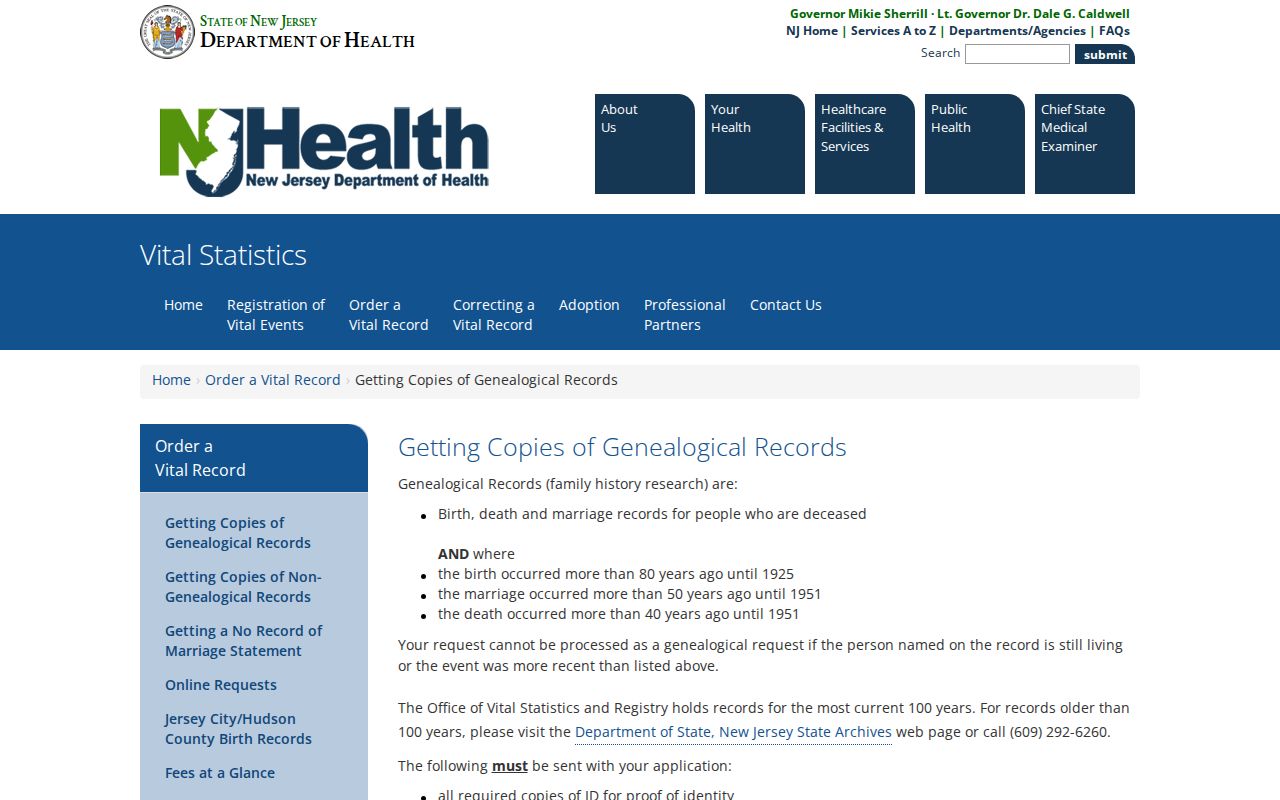
The New Jersey genealogical-record route is the useful path for older documented family events. State custody begins with births from 1925 and marriages and deaths from 1951; the State Archives holds earlier material. Genealogical thresholds are generally more than 80 years for a birth, more than 50 years for a marriage, and more than 40 years for a death, subject to the state's custody periods and forms. The first genealogical state copy is $25, with separate additional-copy and search charges. Online, mail, VitalChek, and walk-in timing differ, while a local registrar may have its own process and fee.
The state genealogical-record page explains the older-record route and its eligibility limits.
Note: A certified copy and an informational genealogical copy serve different purposes and carry different access rights.
Union Voter Status Checks
The official New Jersey voter registration check is a status tool, not a directory. The live interface could not be captured during research, so no unsupported field inventory belongs in a Union resident lookup. State instructions say the name must match the county record exactly, including hyphens, spaces, married names, middle initials, and the absence of nicknames. They also direct the user to check spelling, date of birth, city, and county.
An active or inactive status is not proof that a person currently lives at a particular address. The state describes inactive status as a registration condition that can follow returned mail or an address question, with restoration handled through election procedures. The Union County Board of Elections is the local office for election-record questions and its public request materials describe a formal route for identifiable records. Sensitive fields, signatures, identifiers, and protected-address information can be redacted.
Union License Lookup Limits
New Jersey's official business and professional portals can verify an entity or a credential, but they are not resident indexes. Treasury's Business Name Search can report entity status, agent or business addresses, filing information, officers or managers, and annual-report data. MyLicense offers person and business searching by license type, although the live field labels and result cards were not captured during research. A trade-name or license address describes the filing or credential context, not a private home.
Keep an entity name, filing number, source date, business address, and officeholder field separate from a residence claim. The same limit applies to a UCC filing, which is a notice filing rather than proof of ownership or conduct. Where a field was not visible on the official result, mark it unavailable instead of importing details from another source.
Union Custody Lookup Limits
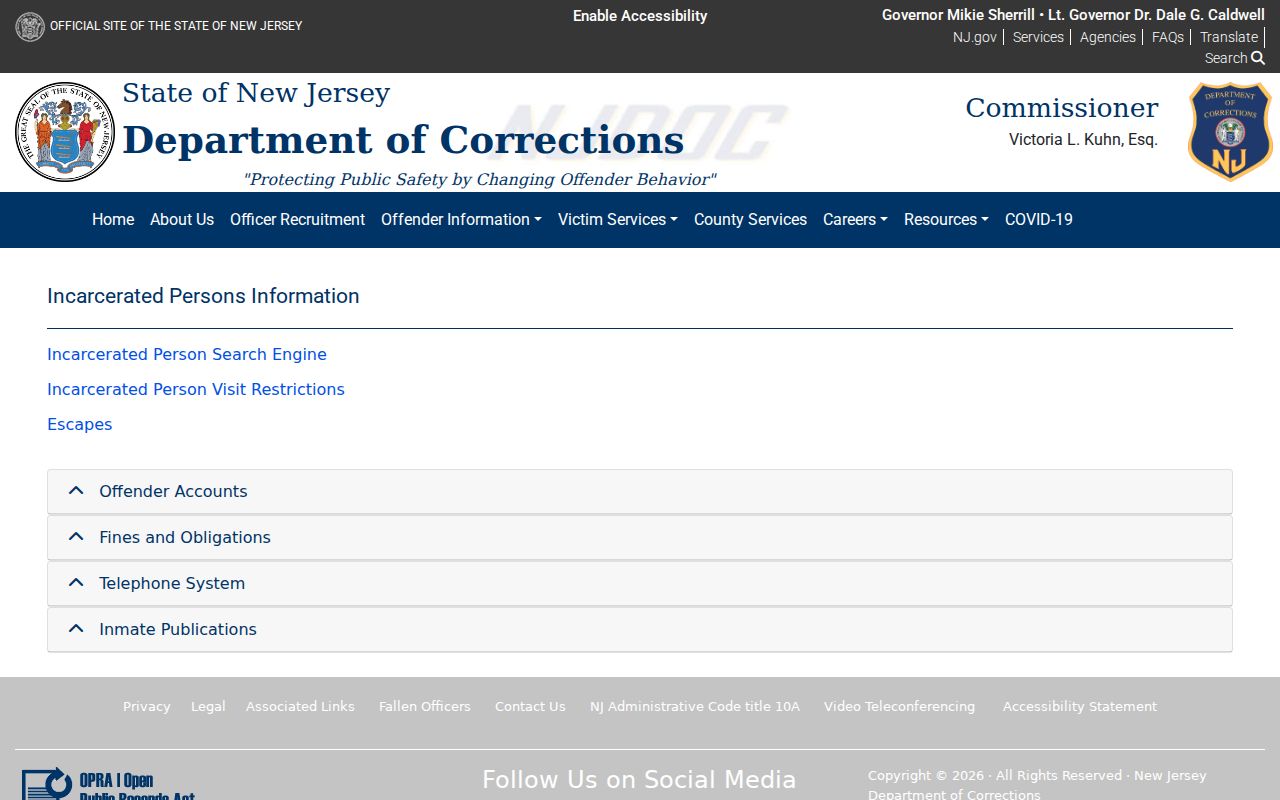
The NJ Department of Corrections search gateway is the state route for incarcerated-person information. Official help describes last and first names or aliases, SBI number, county of commitment, current facility, commitment and release concepts, and status-related information. The database is updated every two weeks, and some information is removed roughly one year after a custodial term. The live form and result labels were not captured, so the public record should not add fields that the official screen has not shown.
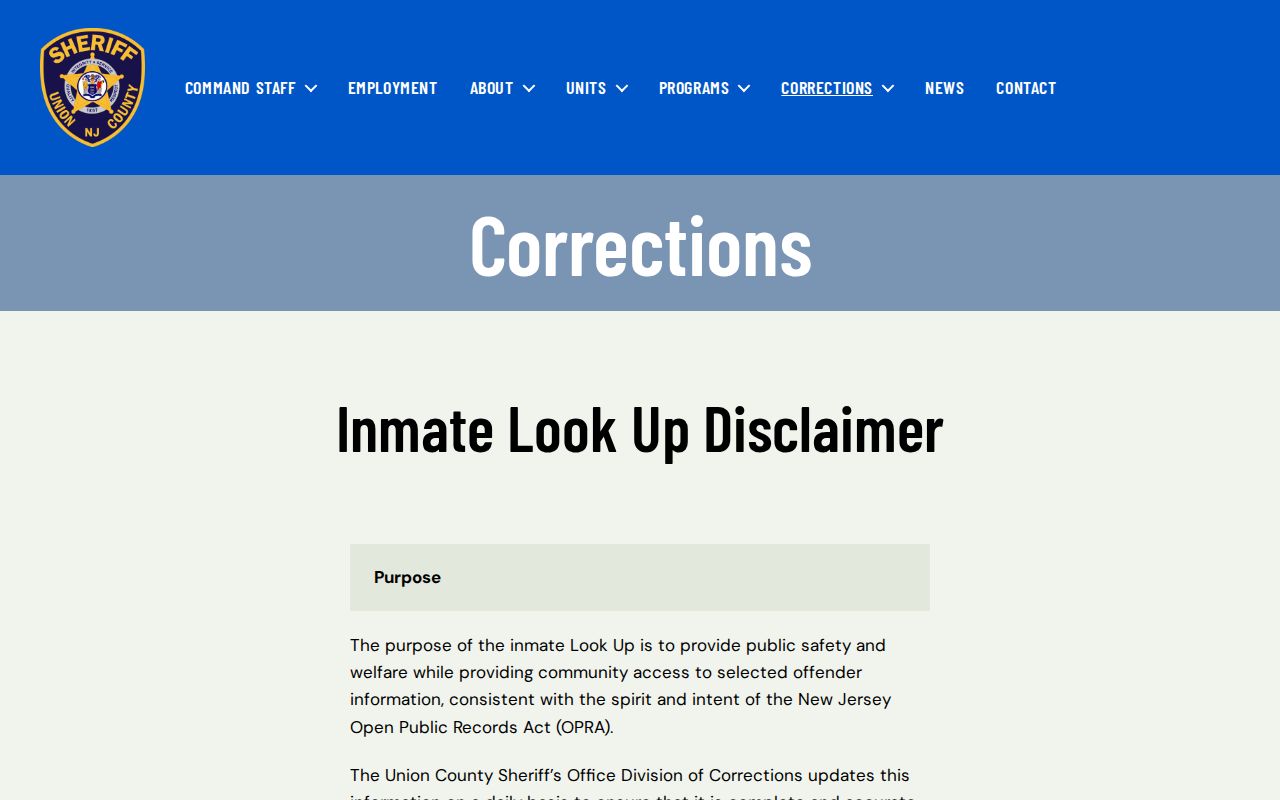
Union County also provides a local custody roster, but it is a limited snapshot. It may be updated daily, yet work release, furlough, releases, paroles, and exclusions can affect what appears. A county authority does not establish a person's Union Township residence. Keep the official result date and displayed status, and use the Classification Unit for written questions rather than treating a roster as a history.
The NJ DOC information gateway identifies the official state custody-search route.
The Union County inmate-lookup disclaimer states the local roster's update and exclusion limits.
Union Lookup Name Conflicts
Union is a particularly easy place to misread. It may mean Union Township, Union County, a postal city, Union City, a business name, or another organization. Hunterdon County also has a Union Township with a similar official web presence. Save the county and venue every time. Postal names need the same care: Vauxhall is a local place identity within Union Township, while nearby postal labels such as Elizabeth, Kenilworth, or Maplewood require an address-by-address USPS and GIS check before they are treated as municipal geography.
The historical spelling adds a useful local comparison. Union map titles use “Vaux Hall,” while current township and library addresses use “Vauxhall.” Search both spellings in historic maps, newspapers, directories, and deed descriptions, then record which source uses which form. That small distinction can explain a missed historic hit without converting a historical place label into proof of current residence.
Union Privacy Protections
New Jersey access is record-specific. Under the Open Public Records Act, N.J.S.A. 47:1A-1 et seq., a request should identify existing records for the right custodian rather than ask an agency to create a person file. The usual response period is as soon as possible and generally no later than seven business days, although some reviews take longer. A denial or non-response has its own formal routes. County election request materials also identify many protected categories, including government identifiers, sensitive financial data, protected addresses, minor information, sealed material, and confidential court records.
Daniel's Law can remove covered addresses and identifying data from public display. NJGIN specifically redacts owner names in its hosted parcel layers and downloads. The New Jersey Address Confidentiality Program gives eligible participants a legal substitute address accepted by public agencies. A blank owner field or protected address is deliberate. It should not be reconstructed from unrelated sources. Keep corrections and confidentiality requests with the custodian that holds the underlying record.
Union Resident Lookup Boundaries
A Union resident lookup is useful for narrow, lawful personal research when it preserves source limits. It cannot convert a tax mailing address into proof of occupancy, a court docket into a finding of fact, a custody result into a full history, or a vital record into an open name directory. Business and license systems can document an organization or credential, but their addresses should remain separate from any claim about a private home. If a record is not public, unavailable, or redacted, note that gap and use the office's published inspection or request procedure.
Lawful use. Use official Union and New Jersey records for a legitimate personal purpose, and never use a result to stalk, harass, threaten, or harm another person.
For a street-wide address question, the Union streets reference keeps the parcel, deed, and historical street methods in their proper context. A single person remains a record-by-record question.
Note: Retaining source date, venue, and access limit is more reliable than combining partial records into an unsupported profile.